

History of the Department
 The Department for Drug Analysis was first established at the Faculty of Pharmacy in September of the 1975–76 academic year, under the name of the Department of Drug Control and Toxicological Chemistry. The first head of the department was Ph.D. Branko Nikolin, associate professor, who remained in that position until 2003. In the past years, the department has changed its name several times. In the period from 2003 to 2013, classes in the courses Drug Control and Toxicological Chemistry were delivered within the Department of Pharmaceutical Chemistry, together with the courses Pharmaceutical Chemistry, Bromatology, and Introduction to Pharmacy. From 2013 to 2021, the department was entitled the Department of Pharmaceutical Analytics, and delivered courses in Drug Control, Toxicological Chemistry, and Bromatology. The head of the department in the period 2003–2018 was Professor Miroslav Šober, and from 2018-2021 Professor Ervina Bečić. Since 2021, the name of the department is the Department of Drug Analysis, and it delivers theoretical and practical classes in two mandatory and four elective courses in the field of Drug Control, which are included in the integrated study of the first and second cycles, as well as four elective courses in the doctoral study “Pharmaceutical Research”. In the period from 2021 to 2023, the head of the Department was Professor Belma Imamović. From September 2023, the department is headed by Professor Ervina Bečić.
During the 1984 Winter Olympic Games in Sarajevo, professors, assistants, staff and all other resources of the department and the Faculty of Pharmacy were engaged in the Olympic Laboratory for Doping Control. The head of the laboratory was Professor Branko Nikolin. In 1983, the department was additionally equipped with the necessary equipment for the laboratory, and the department's employees were additionally educated so that in 1984, the Olympic Laboratory, which was located at the Department, was accredited as the twelfth of the kind in the world. As part of the preparations for the laboratory's accreditation, two methods were introduced that became official after the XIV Winter Olympic Games: the GC-MS method for the determination of exogenous testosterone in urine, which replaced the official radioimmunochemical method, and the HPLC method for the quantitative analysis of caffeine and its derivatives. During the war in Bosnia and Herzegovina, from 1992 to 1996, the department established a radiological-chemical-biological (RHB) laboratory for the analysis of food and drinking water samples, as well as medicines that came as humanitarian aid.
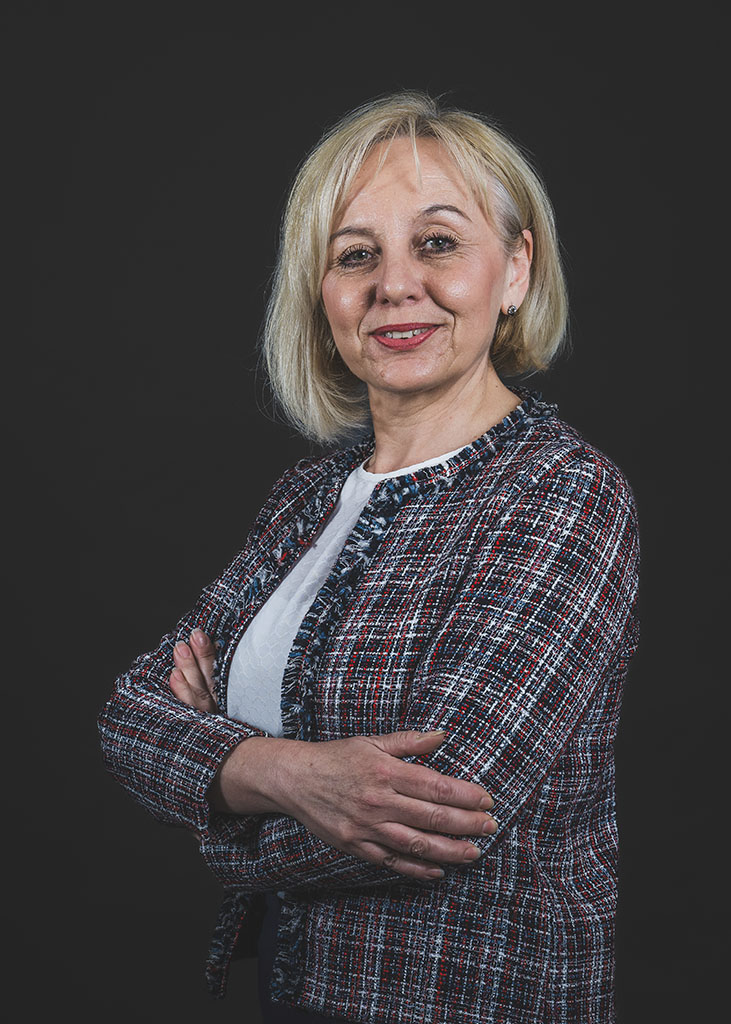
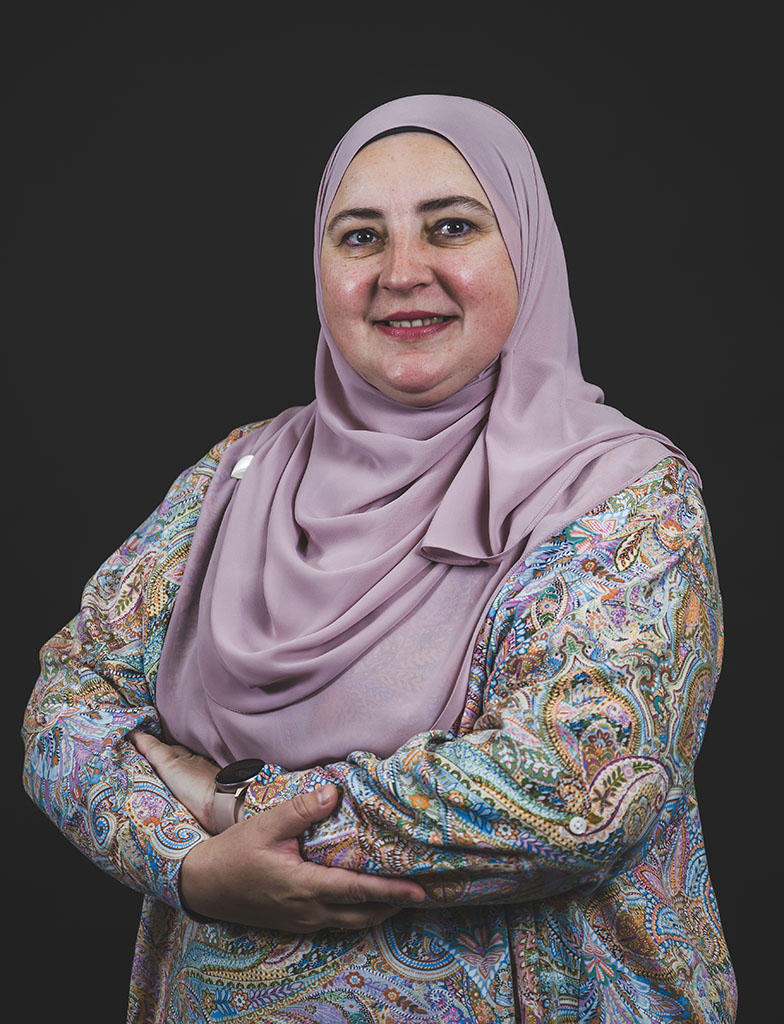
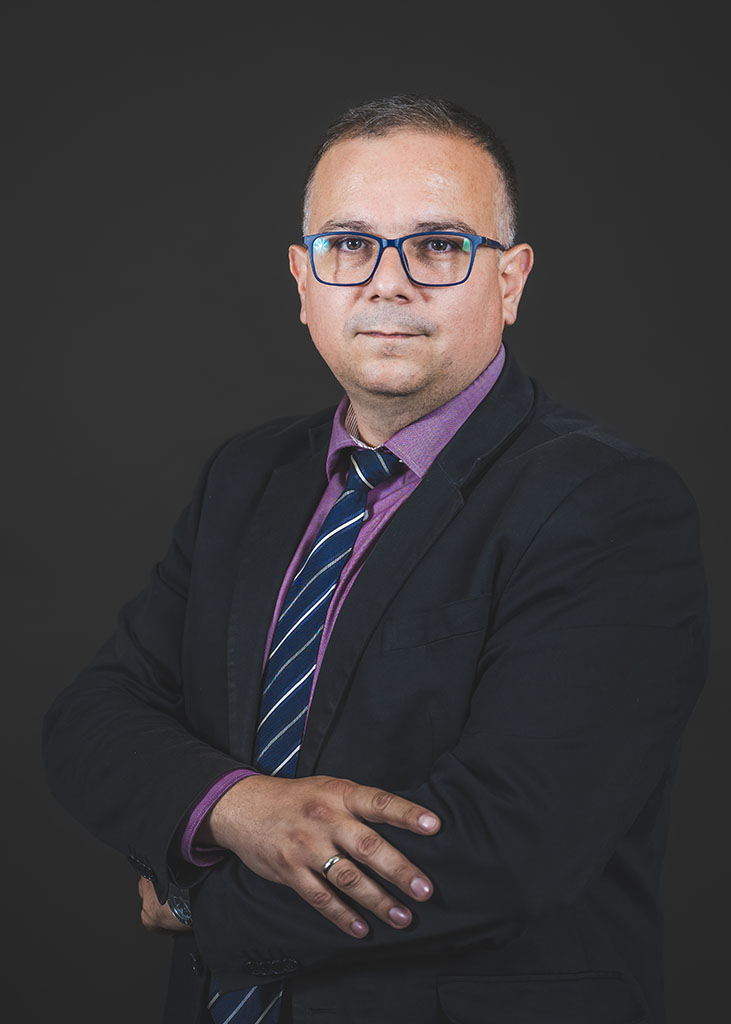
Academic and professional staff currently involved in the teaching process
 |
 |
 |
|
Ervina Bečić |
Belma Imamović |
Mirza Dedić |
 |
 |
 |
|
Irmela Ivazović |
Hanna Helać |
Sanela Drinjak
|
Teaching activities
The teaching activity of the Department includes the organization and implementation of theoretical and practical teaching of the mandatory courses Drug Control I and Drug Control II as well as three elective courses Selected topics in Drug Control: Good control and laboratory practice; Selected topics in Drug Control: Impurities in drugs and Selected topics in Drug Control: Quality control of border medical products, that are delivered within integrated study of the first and the second cycles. Teaching staff from the Department is involved in teaching at the Ph.D. study program „Pharmaceutical Research“, through elective modules Modern analytical methods for the identification and characterization of impurities in drugs, Chemometrics in drug analysis, Instrumental methods of protein and biopharmaceuticals analysis, New trends in sample extraction for pharmaceutical analysis.
Classes at integrated studies include familiarization with the concept of drug quality assurance, regulations in the pharmaceutical industry and the procedure for drug registration. The basics of spectroscopic, chromatographic, and volumetric methods are also studied, as well as their application in the quality control of starting materials, semi-products, dosage forms, and packaging materials in the pharmaceutical industry and the quality control of medicines before and after they are launched on the market. In the described courses, students learn about the methods of identification and determination of impurities and degradation products in active substances and medicine, as well as the quality control of border medical products. The department is equipped with modern devices such as: HPLC with DAD and EC detectors, FTIR, UV/Vis spectrometer, spectrofluorimeter, and atomic absorption spectrophotometer, EC detector, FTIR, UV/Vis spectrometer, spectrofluorimeter, which are necessary in a modern laboratory for drug analysis.
The Department implemented specialisation program intended for the pharmacists in the area of Testing and Control of Medicines, which proceeds according to the curriculum developed by the Ministry of Health of the FBiH. The Department of Drug Analysis is also a partner of the CEEPUS network Education of Modern Analytical and Bioanalytical Methods, through which the international mobility of students and teaching staff from the Department is realized. Teachers of the Department participated in teaching at undergraduate and postgraduate studies at other universities in Bosnia and Herzegovina and abroad (Croatia).
Academic and professional activities
The Department's research activities include the application of modern analytical methods in various fields of pharmacy, which includes the development and validation of analytical methods for drug control, quality control of cosmetic products, monitoring of drug residues in the environment and food, quality control of extemporaneous and galenic preparations and food supplements. Research at the Department also includes the application of spectroscopic and chromatographic methods in testing newly synthesized compounds, as well as testing the stability of UV filters in sun protection creams. Teachers and associates of the Department supervise students' research and supervise specialist theses, students' final theses and doctoral theses.